


Antique Turkmen Ersari Rug
Antique Turkmen Ersari Rug
One of a kind

Entirely Handmade
Woven entirely by hand using traditional techniques.

Natural Fibres
Made entirely from natural fibres, never synthetics.

One of a kind
A singular piece that will never be made exactly again.
Couldn't load pickup availability
Order today for estimated delivery

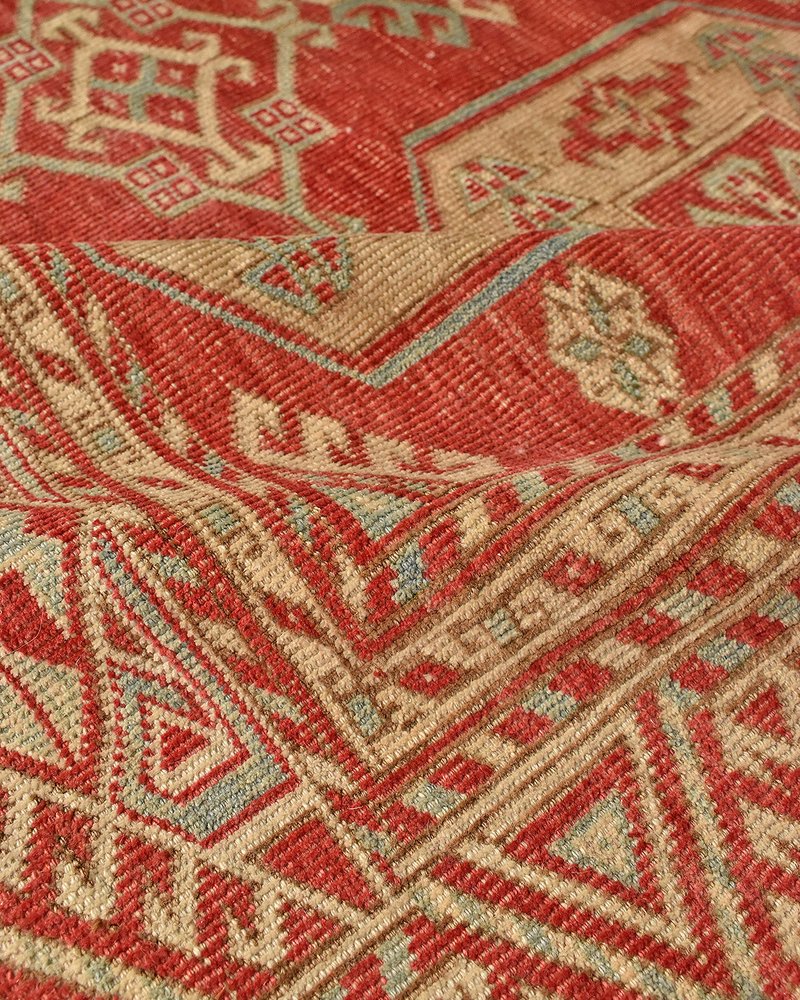
About This Rug
Rug Description
Materials & Craft
Hand-knotted from hand-spun wool pile on a wool foundation, made entirely from natural fibres.
Origin
Afghanistan
Condition
Antique. A historic piece that has been carefully preserved, professionally cleaned and restored where required.
Age
Circa 1900–1930.

Free Australia-Wide Delivery
No delivery cost, anywhere in Australia
7-Day Returns
Return it if it's not quite right
Hand-Selected by Najaf
Every piece personally approved before it reaches you
Secure Payments
Shop with confidence at checkout
Loved, Rug After Rug
HANDMADE — HONOURING TRADITION — ONE OF A KIND HANDMADE — HONOURING TRADITION — ONE OF A KIND
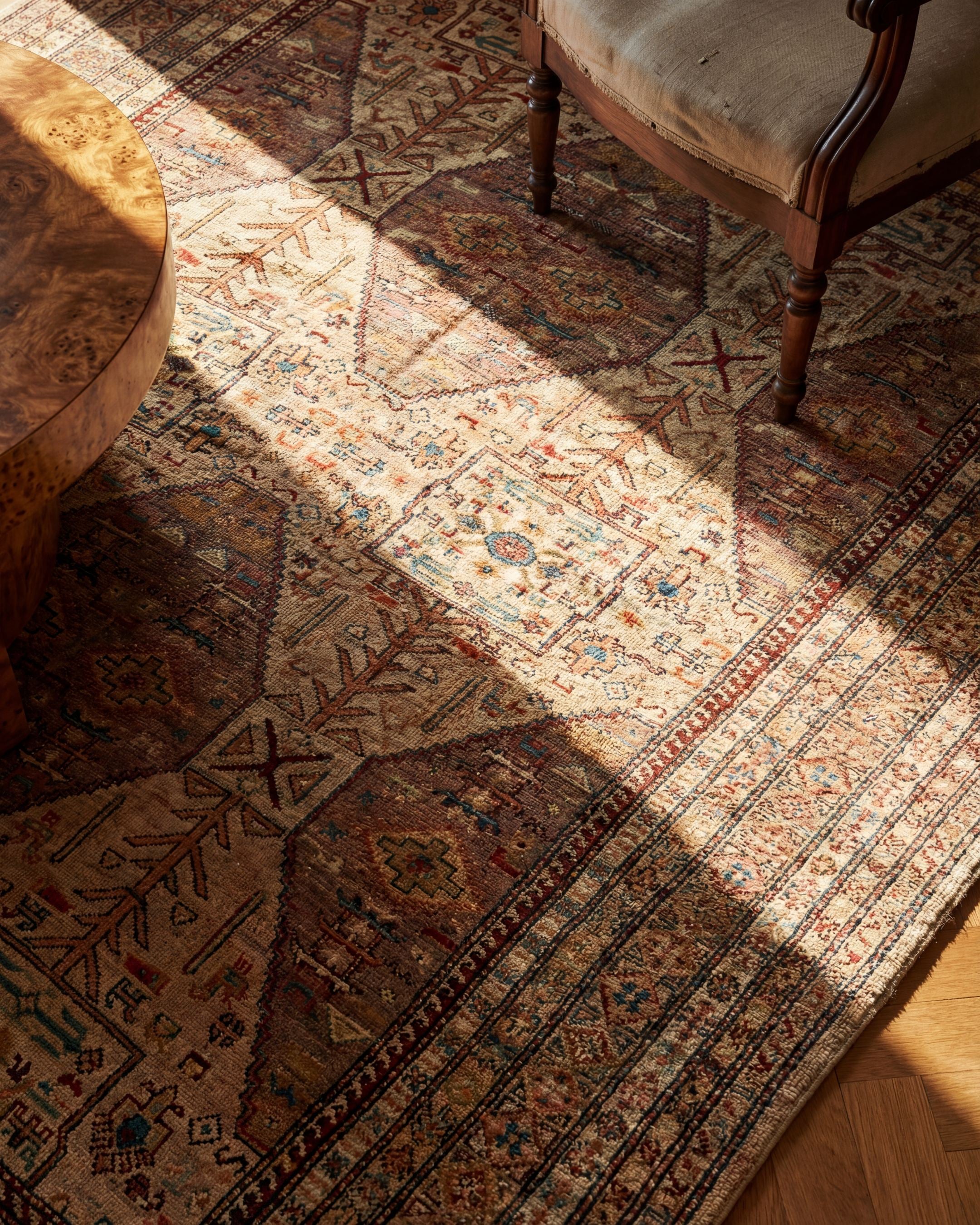

More Than a Rug
These pieces weren't made for a showroom. They were made to be walked on, lived with and passed down. Buy one and it'll outlast the house it's in.
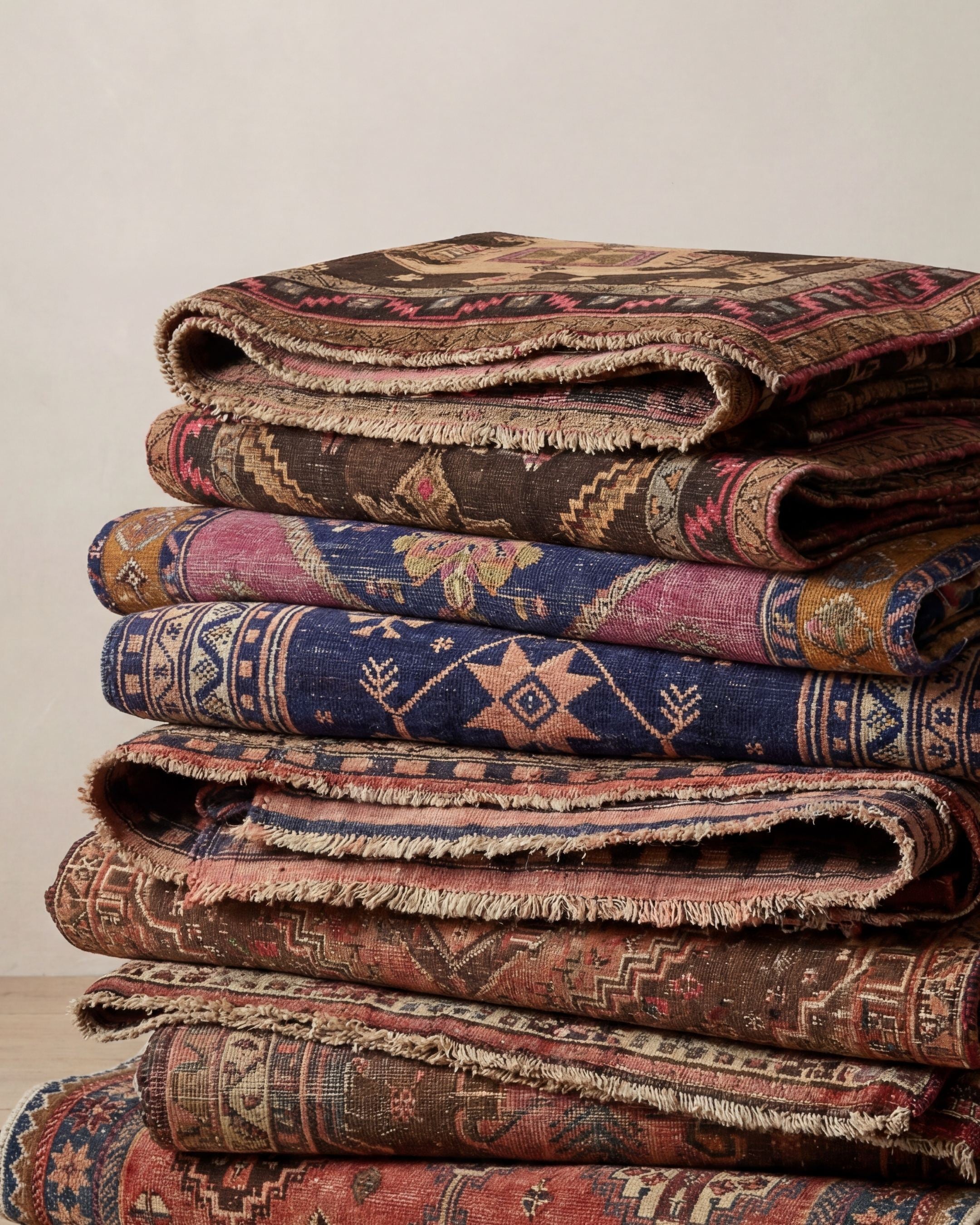
Unique Approach
At Najaf Rugs, our founder has spent 40 years washing, repairing and weaving rugs by hand. When he selects a piece, he knows exactly what he's looking at.
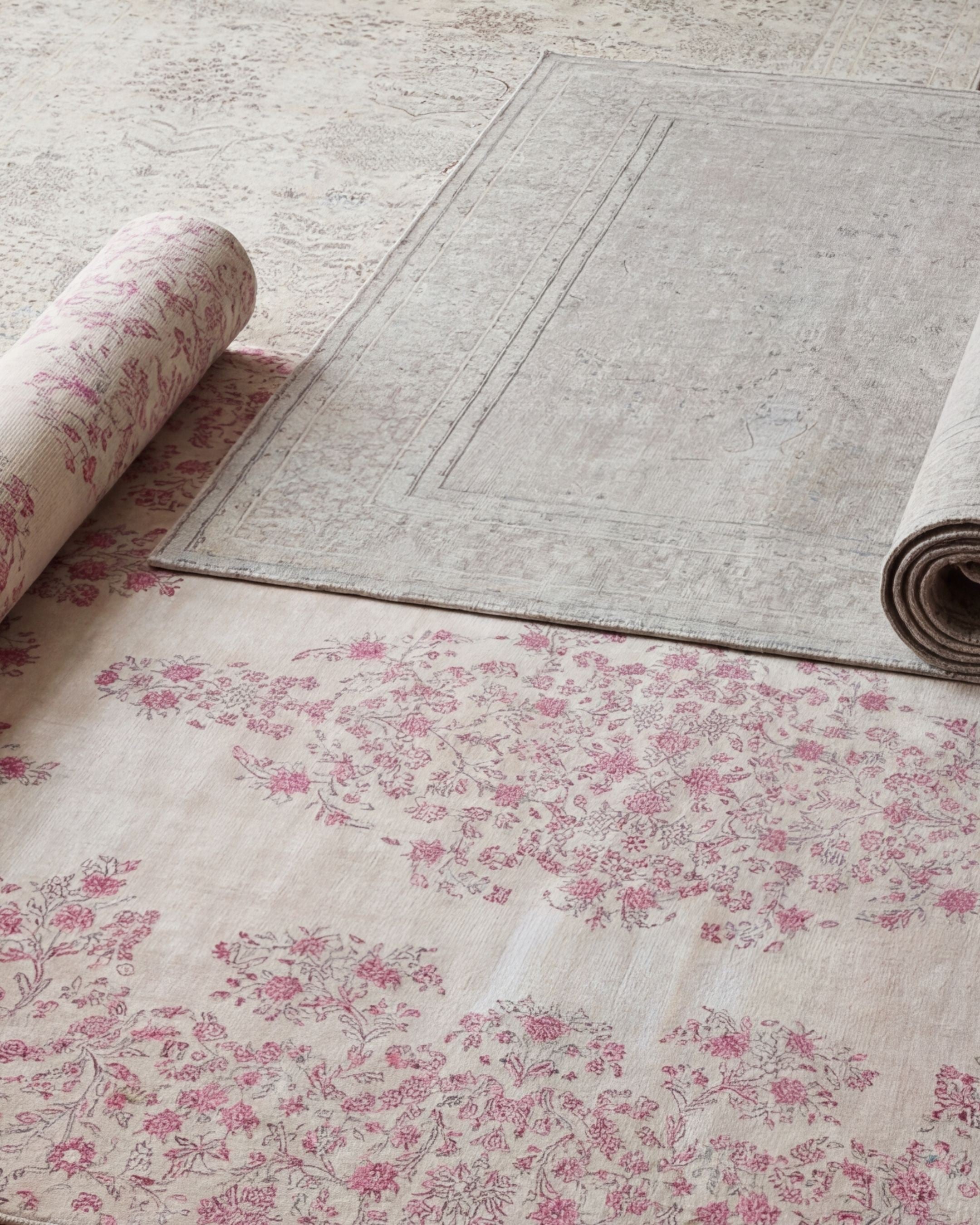
Rugs Like Nowhere Else
Every piece is handpicked or made by us. Never in bulk, never for trend. Only because it genuinely stopped us in our tracks.
More Than a Rug
These pieces weren't made for a showroom. They were made to be walked on, lived with and passed down. Buy one and it'll outlast the house it's in.
Unique Approach
At Najaf Rugs, our founder has spent 40 years washing, repairing and weaving rugs by hand. When he selects a piece, he knows exactly what he's looking at.
Rugs Like Nowhere Else
Every piece is handpicked or made by us. Never in bulk, never for trend. Only because it genuinely stopped us in our tracks.
Beyond The Rugs

Frequently Asked Questions
Will the rug look the same in person as it does online?
We photograph every rug in natural light with minimal editing, so the colours you see are as true to life as possible. It’s something we take a lot of care with, and something our customers often comment on.
That said, colours can shift slightly depending on your screen or the lighting in your home. If you’d like extra photos or a video before purchasing, we’re always happy to help.
How long does delivery usually take?
Delivery times depend on your location.
For most Australian orders, delivery is quite quick. NSW and VIC typically arrive within 1–2 business days, the ACT within 2–3 business days, QLD and TAS within 2–4 business days, and WA and the NT within 3–6 business days.
Most international deliveries arrive within 1–4 weeks.
You can find more detailed timeframes on our Shipping & Delivery page: Shipping & Delivery.
Can I see this rug in person before I decide?
Of course. You’re very welcome to visit our Rowville warehouse to view rugs in person.
If there’s a particular piece you’d like to see, just let us know in advance and we’ll have it ready for you.
All visits are by appointment, but we’re very flexible with timing and happy to work around what suits you best. Feel free to give us a call or message us anytime and we’ll find a time that works.
What if the rug isn't quite right?
We want you to feel completely confident in your purchase. If something doesn’t feel right once you’ve seen it in your space, we’re here to help.
We accept returns or exchanges on full-priced items, meaning pieces that are not part of our clearance collection.
Returns must be initiated within 4 days of receiving your order, or within 4 days of purchase if bought in person.
As each rug is handmade and one of a kind, we keep this window short so that any returned piece can be offered again in the same condition.
Rugs must be returned in the same condition they were received.
For full details, please see our Returns & Exchanges page: Returns & Exchanges.